
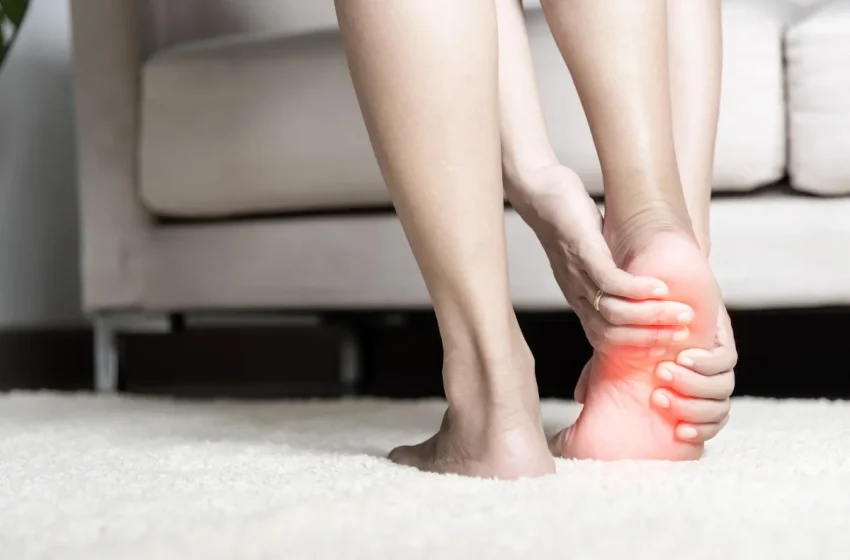
Heel Pain In One Foot Only: 7 Causes & Home Remedies
Experiencing heel pain in one foot only can be a confusing and debilitating experience. While we often think of foot issues as affecting both sides, the reality of human biomechanics means we rarely distribute weight perfectly. One foot may have a slightly different arch height, or we may favor a specific side while standing, driving, or exercising. When this imbalance occurs, repetitive stress often manifests as localized inflammation or injury on just one side.
Understanding the anatomy of the foot—a complex network of fascia, tendons, and bones—is the first step toward addressing why you are feeling heel pain in one foot only.
Contents
Heel Pain In One Foot Only: Top 7 Common Causes
When discomfort is isolated to a single heel, it is typically due to mechanical strain or a specific localized injury. Below are the seven most frequent reasons for this condition.
1. Plantar Fasciitis
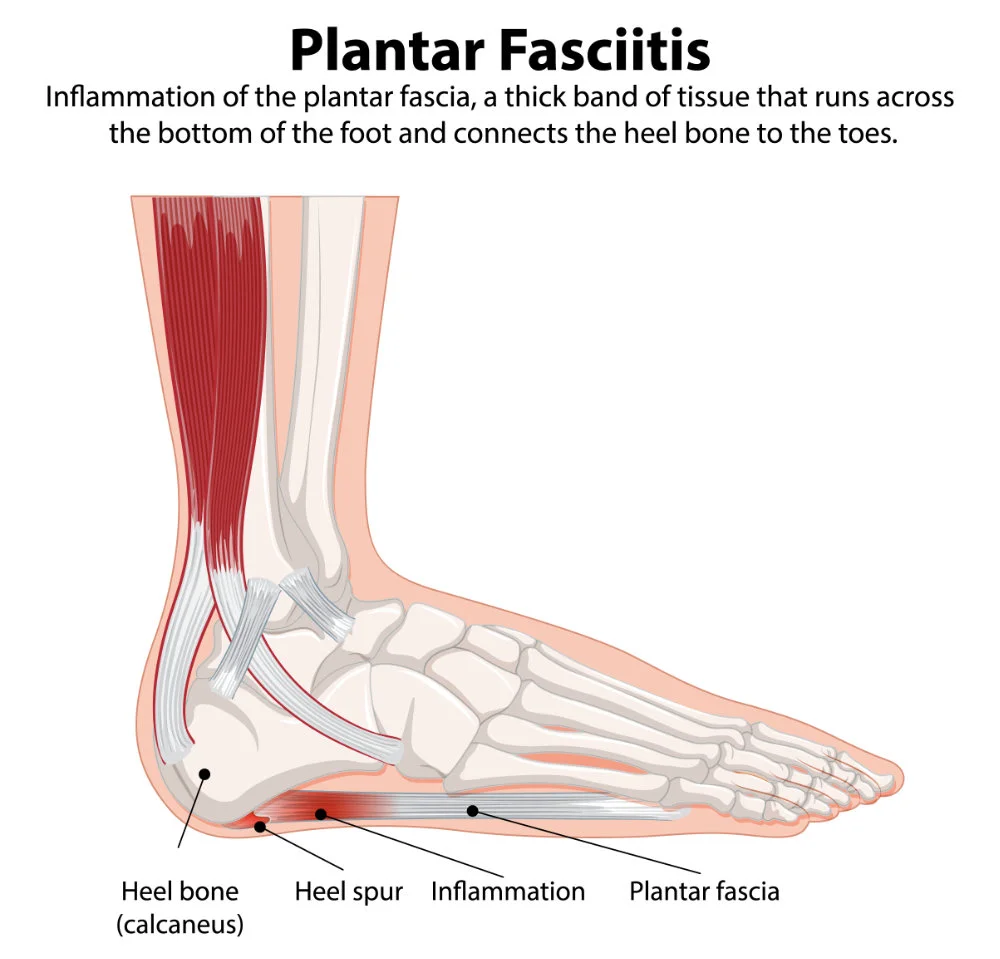
This is the most common cause of heel pain globally. It involves the inflammation of the plantar fascia, the thick band of tissue that connects your heel bone to your toes.
- The Sensation: It usually presents as a sharp, stabbing pain on the bottom of the foot near the heel.
- The Pattern: Pain is notoriously worse with the first steps after waking up or after long periods of rest, often improving slightly as you move around.
- Risk Factors: You are more likely to experience this if you are between ages 40 and 60, are overweight, or have recently started exercising on hard surfaces.
2. Achilles Tendonosis
If your heel pain in one foot only is located at the back of the heel rather than the bottom, it may be the Achilles tendon.
- The Cause: This occurs when the tendon is placed under more pressure than it can handle, leading to small tears and swelling.
- Triggers: A tight Achilles tendon or sudden stretching of the sole can lead to this condition.
3. Heel Bursitis (Subcalcaneal Bursitis)
Bursae are fluid-filled sacs that cushion the joints. Inflammation here can feel very similar to other foot conditions.
- Location: The pain is typically more in the center of the heel than plantar fasciitis.
- Progression: Unlike other pains that may fade with movement, bursitis pain significantly worsens throughout the day.
4. Tarsal Tunnel Syndrome
This is a nerve-related condition caused by the compression of the tibial nerve as it passes through the ankle.
- Symptoms: It often feels like burning, tingling, or “pins and needles” under the heel or within the arch.
- Tinel’s Test: Tapping the nerve behind the ankle bone may trigger these symptoms, helping to confirm the diagnosis.
5. Heel Pad Inflammation (Atrophy)
The heel pad is designed to absorb the impact of your body weight. Chronic inflammation can lead to a deep, dull ache.
- The Feeling: It feels like a dull ache that increases during the day.
- Causes: This can be caused by a heavy heel strike or a reduction in the thickness of the fat pad over time.
6. Stress Fractures
While less common, a fracture can cause intense heel pain in one foot only.
- Triggers: These are often caused by falling from a height or landing on an uneven surface.
- Diagnosis: An X-ray is required to determine the extent of the injury and confirm the diagnosis.
7. Haglund’s Deformity (Heel Bumps)
These are firm bumps on the back of the heel.
- Cause: They are usually caused by excessive shoe rubbing or thickening of tissues associated with a tight Achilles tendon.
- Treatment: Adjusting footwear is often enough to alleviate the discomfort.
Heel Pain In One Foot Only: Home Remedies
Many cases of unilateral heel pain can be managed with consistent at-home care and conservative treatments.
Rest and Activity Modification
The most important step is to avoid the activity that caused the pain.
- Rest: Take a break from sports or long periods of standing for at least a week.
- Elevation: Raise your foot on a stool whenever possible to reduce pressure.
- Low Impact: Switch to exercises that do not put pressure on your feet, such as swimming.
Icing and Massage
Cold therapy helps reduce both inflammation and sharp pain.
- Ice Packs: Apply an ice pack wrapped in a towel for up to 20 minutes every 2 to 3 hours.
- Bottle Roll: Roll a frozen water bottle under the bottom of your foot to massage the tissue and reduce inflammation.
Proper Footwear and Support
Changing what you wear on your feet is often the most effective way to treat heel pain in one foot only.
- Avoid Flat Shoes: Do not wear flip-flops, backless slippers, or high heels.
- Arch Support: Wear sturdy shoes with good arch support and cushioned heels.
- No Barefoot Walking: Try to avoid walking barefoot on hard surfaces.
- Insoles: Use over-the-counter heel pads or shoe inserts to provide extra cushioning.
Exercises and Stretches
Gentle stretching can help relieve the tension in the plantar fascia and Achilles tendon.
Where is your exact pain point? (Pain Analyzer App)
Tap or click on the area that is causing you pain, answer a few pain-related questions, and get your personalized pain analysis (Always do your own research for accurate results).
We are proud to have helped 43,585+ patients, with 45,644+ pain analyses completed and 47,803+ unique pain points uncovered, including users from MIT, New York University, Illinois University, and more, and still counting.
- Sole Stretches: Try regular gentle exercises to stretch the sole of your foot.
- Calf Stretches: Keeping the calf muscles loose reduces the strain on the heel bone.
When to see a doctor for heel pain
While many cases resolve naturally, you should seek professional advice if self-care does not work. Visit a GP or podiatrist if:
- The pain is severe or prevents you from doing normal activities.
- Your heel pain in one foot only has not improved after two weeks of home treatment.
- You experience any tingling or loss of feeling in your foot.
- You have diabetes, as foot problems can be significantly more serious.
- You suspect a fracture due to a fall or sudden injury.
Frequently Asked Questions
Why is my pain only in one foot?
This often happens because of “mechanical injury” where one foot is placed under more pressure than it can handle. This could be due to your gait, a slight difference in foot shape, or even just favoring one leg while standing at work.
Can I still exercise with heel pain?
It is recommended to avoid activities that put direct pressure on the heel, like running or jumping. Low-impact activities like swimming or cycling are better alternatives while you recover.
Do I need an X-ray for my heel?
In most cases, a healthcare provider can diagnose the cause through a physical exam and your history. Tests like X-rays or MRIs are usually only used if they suspect a different issue, like a stress fracture.
Conclusion
Heel pain in one foot only is a common but disruptive condition. Whether it is the stabbing pain of plantar fasciitis or the burning sensation of a compressed nerve, early intervention is key. By combining rest, proper footwear, and targeted stretching, most people can find relief without the need for surgery or advanced medical procedures. If your symptoms persist, do not hesitate to consult a podiatrist to ensure you get back on your feet safely.
Resources & References
- NHS: https://www.nhs.uk/conditions/plantar-fasciitis/
- Cleveland Clinic: https://my.clevelandclinic.org/health/diseases/14709-plantar-fasciitis
- Mayo Clinic: https://www.mayoclinic.org/diseases-conditions/plantar-fasciitis/symptoms-causes/syc-20354846
- Royal College of Podiatry: https://rcpod.org.uk/common-foot-problems/heel-pain
Was this article helpful?
Where is your exact pain point? (Pain Analyzer App)
Tap or click on the area that is causing you pain, answer a few pain-related questions, and get your personalized pain analysis (Always do your own research for accurate results).
We are proud to have helped 43,585+ patients, with 45,644+ pain analyses completed and 47,803+ unique pain points uncovered, including users from MIT, New York University, Illinois University, and more, and still counting.