
Lower Abdominal Pain: 7 Major Causes & Remedies
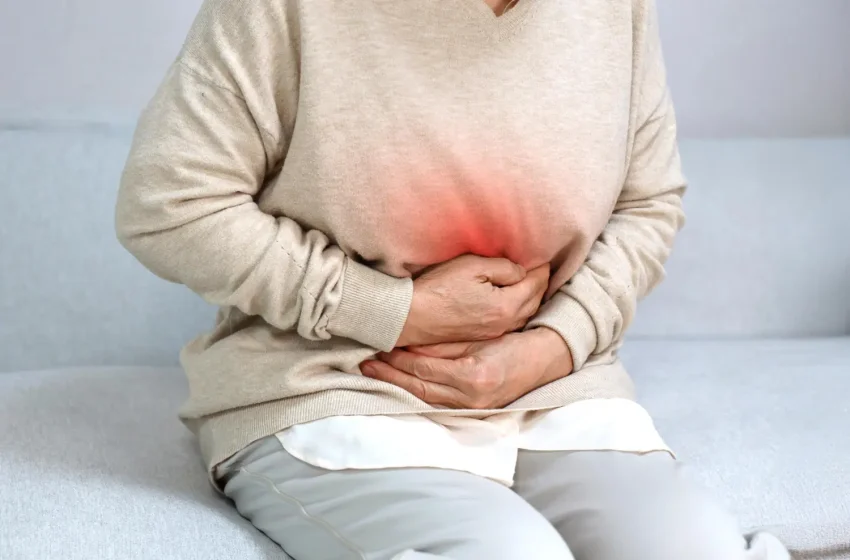
Lower abdominal pain—that nagging or sharp discomfort occurring below your belly button—is one of the most common reasons people seek medical advice. It’s a busy neighborhood down there, packed with parts of your digestive, urinary, and reproductive systems.
While most of the time it’s just your body’s way of saying it didn’t appreciate that extra-spicy taco, it can sometimes be a “check engine” light for something more serious. Let’s map out what’s happening in your lower abdominopelvic cavity and how to soothe the storm.
Contents
- 1
- 2 Lower Abdominal Pain: Top 7 Causes
- 2.1 1. Digestive Disturbance (Gas, Indigestion, and Constipation)
- 2.2 2. Menstrual Cramps and Reproductive Health
- 2.3 3. Urinary Tract Infections (UTIs) and Bladder Issues
- 2.4 4. Appendicitis (The Lower Right Threat)
- 2.5 5. Diverticulitis (The Lower Left Culprit)
- 2.6 6. Inflammatory Bowel Disease (IBD) and IBS
- 2.7 7. Hernias and Muscle Strains
- 3 Lower Abdominal Pain: Home Remedies
- 4 When to see a doctor for Lower Abdominal Pain
- 5 Frequently Asked Questions
- 6 Conclusion
- 7 Resources & References
Lower Abdominal Pain: Top 7 Causes
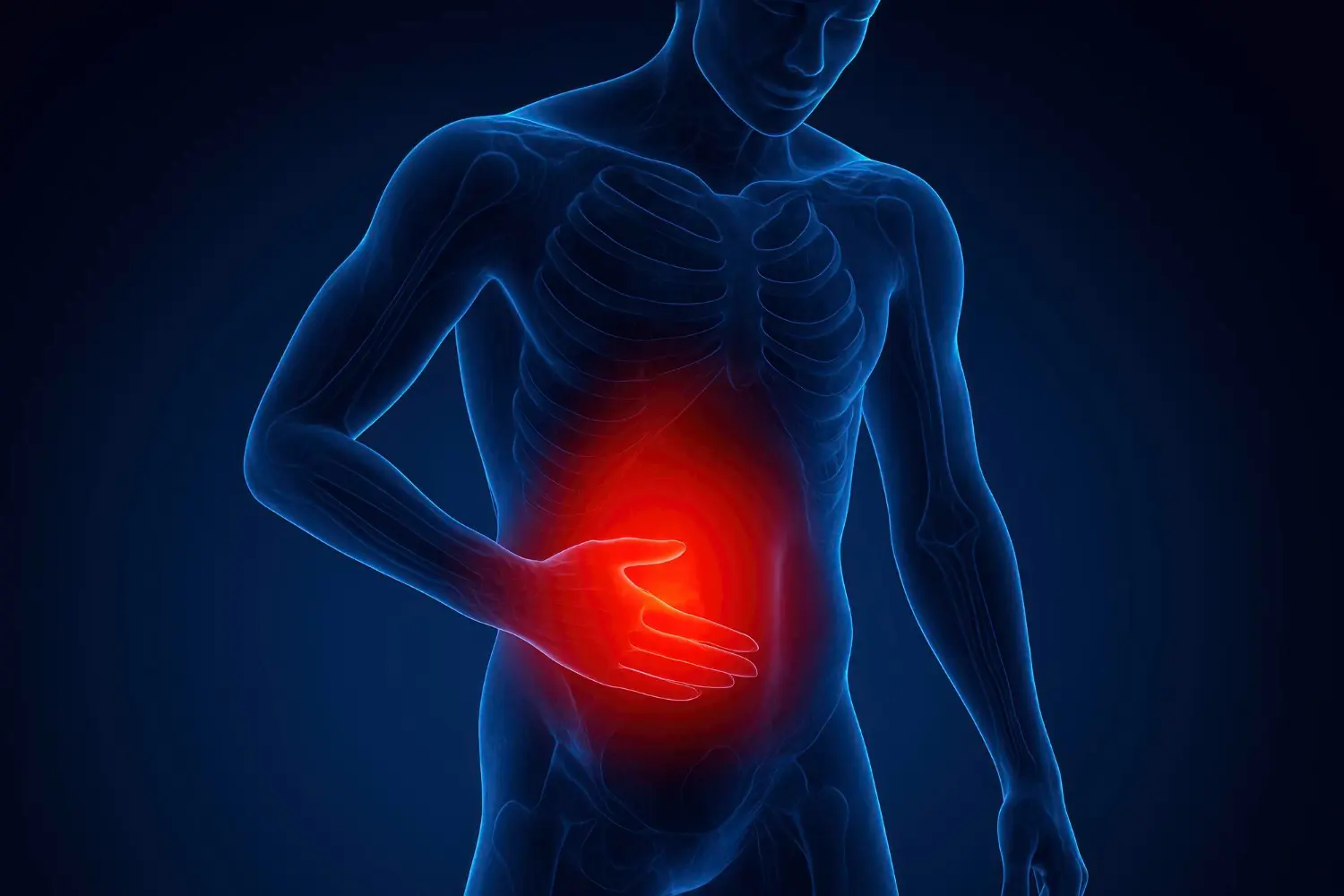
To understand lower abdominal pain, we have to look at the “roommates” living in that space: the small intestine, colon, bladder, and—depending on your biological sex—the uterus and ovaries. Doctors often divide the area into regions to narrow down the culprits. Here are the primary drivers of discomfort in the lower abdomen.
1. Digestive Disturbance (Gas, Indigestion, and Constipation)
The most frequent cause of lower abdominal pain isn’t a rare disease, but everyday digestive mechanics. Your intestines take up the lion’s share of space in the lower cavity. When gas gets trapped, it can cause surprisingly sharp, stabbing pains or a sense of intense bloating.
Similarly, constipation can lead to a dull, heavy ache as the colon becomes distended. If your digestive system isn’t processing food efficiently due to an intolerance or allergy, you might experience cramping, “farting a lot,” and general malaise below the navel.
2. Menstrual Cramps and Reproductive Health
For those with female reproductive organs, lower abdominal pain is often a monthly visitor. Menstrual cramps (dysmenorrhea) occur when the uterus contracts to shed its lining, causing a throbbing or cramping sensation that can radiate to the lower back and thighs.
However, pain in this region can also signal other reproductive issues:
- Endometriosis: When tissue similar to the uterine lining grows outside the uterus, causing chronic, often severe lower abdominal pain.
- Ovarian Cysts: Fluid-filled sacs on the ovaries can cause a dull ache or, if they rupture or twist (torsion), sudden and sharp acute pain.
- Uterine Fibroids: Non-cancerous growths that can lead to a feeling of “heaviness” or pressure in the pelvis.
3. Urinary Tract Infections (UTIs) and Bladder Issues
Your urinary system is a common source of “referred” lower abdominal pain. A UTI often manifests as a persistent ache or pressure just above the pubic bone. You might also notice a burning sensation when peeing or a sudden, frequent urge to go. If the infection travels to the kidneys, the pain might start in your back but “wrap around” to the front lower abdomen. Interstitial cystitis—a chronic bladder condition—can also cause long-term pressure and discomfort in this area.
4. Appendicitis (The Lower Right Threat)
If you experience sudden, severe lower abdominal pain that migrates to your lower right side, it’s a major red flag for appendicitis. The appendix is a small pouch branching off the large intestine. When it becomes inflamed, the pain is often acute and worsens with movement or touch. Because an inflamed appendix can burst and spread infection (peritonitis), this is a medical emergency that usually requires surgery.
5. Diverticulitis (The Lower Left Culprit)
While the appendix claims the right side, diverticulitis is a frequent cause of lower abdominal pain on the left. Diverticula are small pouches that can develop in the wall of your colon. If these pouches become infected or inflamed—often due to trapped bacteria—they cause sharp pain, fever, and changes in bowel habits. This is more common as we age and is a frequent cause of chronic or recurring left-sided discomfort.
6. Inflammatory Bowel Disease (IBD) and IBS
Chronic lower abdominal pain is often linked to long-term gastrointestinal conditions:
- Irritable Bowel Syndrome (IBS): A functional disorder causing stomach cramps, bloating, diarrhea, and constipation. The pain often improves after having a bowel movement.
- IBD (Crohn’s Disease and Ulcerative Colitis): These involve actual inflammation of the digestive tract. Crohn’s can affect any part of the tract, while ulcerative colitis specifically targets the colon. Both cause persistent pain, often accompanied by weight loss and bloody stools.
7. Hernias and Muscle Strains
Sometimes the pain isn’t in your organs at all, but in the “container” holding them. An inguinal hernia occurs when tissue, such as part of the intestine, protrudes through a weak spot in the abdominal muscles. This causes a visible bulge and a sharp or aching lower abdominal pain, especially when coughing, bending, or lifting. Additionally, a simple muscle strain from a workout can cause localized tenderness that mimics internal pain.
Lower Abdominal Pain: Home Remedies
If your lower abdominal pain is mild and not accompanied by “red flag” symptoms, you can often manage the discomfort at home. The goal is to soothe inflammation and help the digestive or reproductive systems relax.
Heat Therapy
One of the oldest tricks in the book is still the most effective for cramps. Applying a heating pad or a warm compress to the lower abdomen helps increase blood flow and relaxes the smooth muscles of the uterus and intestines. A warm bath can provide a similar full-body relaxation effect.
Dietary Adjustments
If your lower abdominal pain is linked to digestion, give your gut a break.
Where is your exact pain point? (Pain Analyzer App)
Tap or click on the area that is causing you pain, answer a few pain-related questions, and get your personalized pain analysis (Always do your own research for accurate results).
We are proud to have helped 43,585+ patients, with 45,644+ pain analyses completed and 47,803+ unique pain points uncovered, including users from MIT, New York University, Illinois University, and more, and still counting.
- The “Liquid Reset”: Stick to clear broths and water for 24 hours to allow your intestines to rest.
- Hydration: Drink plenty of fluids to help flush the urinary system and keep stools soft.
- Herbal Teas: Peppermint tea can help dissipate gas, while ginger and licorice teas are known for soothing the digestive lining.
- Avoid Triggers: Steer clear of spicy foods, dairy, or high-fiber foods that might aggravate bloating while you’re hurting.
Posture and Physical Movement
Sometimes, how you sit or lie down makes all the difference for lower abdominal pain.
- The Fetal Position: Lying on your side with your knees tucked toward your chest can relieve pressure on the abdominal cavity.
- Leg Elevation: Placing a pillow under your knees while lying on your back can also reduce muscle tension.
- Gentle Movement: While it sounds counterintuitive, light walking or yoga can help move trapped gas through your system and improve circulation.
Over-the-Counter (OTC) Options
- For Gas/Bloating: Products containing simethicone can help break up gas bubbles.
- For Constipation: Mild laxatives or stool softeners can help if you’re “backed up”.
- For General Pain: Acetaminophen (Tylenol) is often recommended. Caution: Avoid NSAIDs (like ibuprofen or aspirin) if you suspect your lower abdominal pain is due to a stomach ulcer or kidney issues, as they can irritate the digestive lining.
When to see a doctor for Lower Abdominal Pain
While many cases of lower abdominal pain resolve with a bit of rest and tea, some symptoms require an immediate professional “look under the hood”.
Seek Urgent Care (Call 999/A&E or Visit Urgent Care) if:
- The pain is sudden, intense, and “came out of nowhere”.
- Your abdomen is rigid, hard, or extremely tender to the touch.
- You are vomiting blood or your vomit looks like coffee grounds.
- You have bloody, black, or tarry stools.
- You are pregnant and experiencing lower abdominal pain.
- You cannot pass gas, stool, or urine at all.
- The pain is accompanied by chest pain or difficulty breathing.
Schedule a GP Appointment if:
- The pain is dull but persists for more than a few days.
- You have unexplained weight loss.
- You notice unusual vaginal discharge or bleeding between periods.
- You have a persistent low-grade fever or jaundice (yellowing of eyes/skin).
Frequently Asked Questions
Why does my lower abdominal pain feel worse when I pee or have sex?
Pain during these activities (dysuria or dyspareunia) often points toward inflammation in the pelvic region. This could be due to a UTI, pelvic inflammatory disease (PID), or endometriosis. Because these organs are tightly packed, the movement or pressure from urination or intercourse can irritate the sensitive tissues.
Is lower left abdominal pain always diverticulitis?
Not necessarily, though it’s a common cause. Lower left lower abdominal pain can also be caused by a kidney stone passing through the left ureter, an ovarian cyst on the left side, or even gas trapped in the “splenic flexure” (the turn in your colon).
How do doctors diagnose the cause of the pain?
Since they can’t see through you (yet), doctors use a mix of physical exams and technology. This may include:
- Blood/Urine Tests: To check for infection or markers of inflammation.
- Imaging: Ultrasounds are great for looking at the gallbladder or reproductive organs, while CT scans provide a detailed map of the intestines.
- Endoscopy/Colonoscopy: Using a tiny camera to look directly at the lining of your digestive tract.
Conclusion
Lower abdominal pain is a complex symptom because it acts as a crossroads for so many vital systems. Whether it’s the result of a temporary “traffic jam” in your intestines or a more serious issue with your reproductive or urinary organs, the key is to pay attention to the type of pain and any “plus-one” symptoms like fever or bleeding.
Most cases are benign and manageable with home care like heat and hydration. However, never hesitate to seek professional help for acute, severe, or worsening pain. When in doubt, let a healthcare provider do the detective work to ensure your “gut feeling” isn’t something that needs a doctor’s intervention.
Resources & References
- Cleveland Clinic: Lower Abdominal Pain Causes
- NHS: Stomach Ache and Abdominal Pain Guide
- The Gynae Centre: When to Worry About Pelvic Pain
- Aurora Healthcare: Abdominal Pain Causes & Treatment
- Vinmec International Hospital: Understanding the Lower Abdomen
Was this article helpful?
Where is your exact pain point? (Pain Analyzer App)
Tap or click on the area that is causing you pain, answer a few pain-related questions, and get your personalized pain analysis (Always do your own research for accurate results).
We are proud to have helped 43,585+ patients, with 45,644+ pain analyses completed and 47,803+ unique pain points uncovered, including users from MIT, New York University, Illinois University, and more, and still counting.