
Pain When Urinating: 11 Common Causes & Remedies
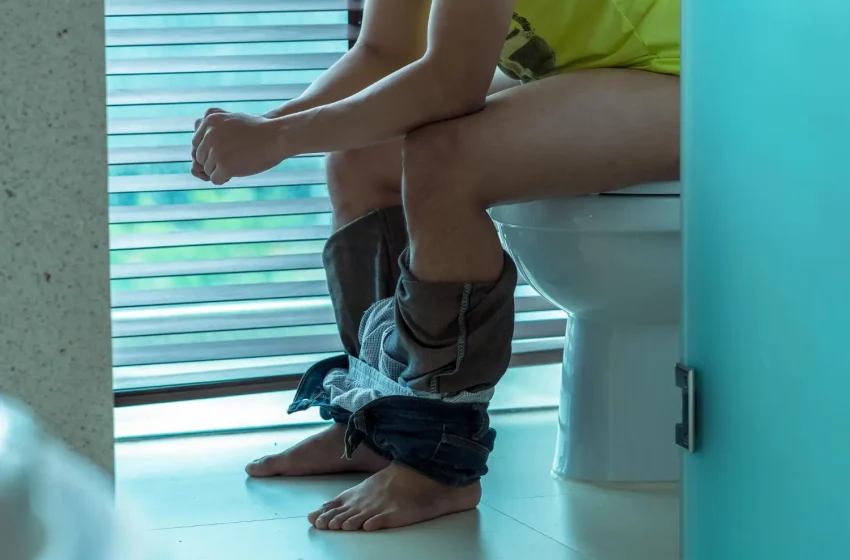
Having pain when urinating—medically known as dysuria —is a distressing sensation that can manifest as burning, stinging, or itching. This symptom is incredibly common and serves as a primary indicator of inflammation or infection somewhere within the urinary tract. While it is more prevalent in women, it affects people of all ages and genders, often signaling underlying issues ranging from simple irritation to complex medical conditions.
Contents
- 1 Pain When Urinating: 11 Common Causes
- 1.1 1. Urinary Tract Infections (UTIs)
- 1.2 2. Sexually Transmitted Infections (STIs)
- 1.3 3. Prostatitis (Prostate Problems)
- 1.4 4. Kidney and Bladder Stones
- 1.5 5. Chemical Irritants
- 1.6 6. Vaginal Yeast Infections
- 1.7 7. Urethritis and Urethral Stricture
- 1.8 8. Interstitial Cystitis
- 1.9 9. Menopausal Vaginal Changes
- 1.10 10. Medication and Treatment Side Effects
- 1.11 11. Physical Irritation and Trauma
- 2 Pain When Urinating: Home Remedies
- 3 When to See a Doctor for Pain When Urinating
- 4 Frequently Asked Questions
- 5 Conclusion
- 6 Resources & References
Pain When Urinating: 11 Common Causes
The root of the discomfort often depends on where the irritation occurs—whether it is felt at the point where urine exits the body or deeper inside the bladder or prostate. Here are the eleven most frequent reasons for this condition.
1. Urinary Tract Infections (UTIs)
UTIs are a leading cause of pain when urinating. These occur when bacteria enter the system through the urethra and multiply. While the bladder is a common site, the infection can affect the kidneys, ureters, or the urethra itself. Beyond the burning sensation, UTIs often cause foul-smelling or cloudy urine and a frequent, urgent need to go.
2. Sexually Transmitted Infections (STIs)
Various STIs are notorious for causing significant internal inflammation. Conditions such as chlamydia and gonorrhea frequently result in a sharp sting during urination. Furthermore, genital herpes can cause external blisters or sores; when urine passes over these lesions, it can cause intense, localized pain.
3. Prostatitis (Prostate Problems)
In men, pain when urinating is frequently linked to the prostate gland. Prostatitis involves the infection or inflammation of this gland. Men with this condition may notice that the pain persists in the penis even after they have finished urinating.
4. Kidney and Bladder Stones
Hard buildups of minerals and salts, known as stones, can form inside the kidneys or the bladder. When these stones move into the urethra, they can become stuck and block the flow of urine. This often results in a burning sensation or sharp pain during urination, frequently accompanied by intense pain in the side or back.
5. Chemical Irritants
Non-infectious inflammation is often caused by external products. Soaps, perfumes, bubble baths, douches, and spermicides contain chemicals that can irritate the sensitive tissues of the genital area. This is a common cause of pain when urinating in young girls and women with sensitive skin.
6. Vaginal Yeast Infections
A yeast infection occurs when there is an overgrowth of fungus in the vaginal area. This leads to vulvovaginitis, causing the surrounding tissue to become red and itchy. When acidic urine comes into contact with these inflamed tissues, it produces a distinct burning sensation.
7. Urethritis and Urethral Stricture
Urethritis is the specific swelling and irritation of the urethra, often caused by infection. Additionally, a urethral stricture—a narrowing of the tube—can make passing urine difficult and painful. These conditions interfere with the smooth exit of urine, causing discomfort at the very start of the process.
8. Interstitial Cystitis
Also known as painful bladder syndrome, this is a chronic condition characterized by bladder inflammation. Unlike a standard UTI, it is not always caused by an active bacterial infection but involves long-term irritation of the bladder wall. It can cause chronic pelvic pain along with pain when urinating.
9. Menopausal Vaginal Changes
As women age, a drop in estrogen levels can lead to atrophic vaginitis. This condition causes the vaginal tissues to thin, dry out, and become easily irritated. Because the tissues are more fragile, menopausal women may experience frequent discomfort or burning during urination.
10. Medication and Treatment Side Effects
Certain medical treatments can irritate the bladder lining as a side effect. This includes medications used in cancer treatment (such as cyclophosphamide) or certain antibiotics and heart medications. Additionally, radiation therapy to the pelvic area can cause “radiation cystitis,” which damages the bladder lining and makes urination painful.
11. Physical Irritation and Trauma
Physical activities can sometimes be the culprit. Activities like horseback riding or bicycling can cause friction or pressure on the genital area, leading to temporary inflammation. Similarly, irritation of the urethra can occur following sexual activity or recent urologic medical procedures.
Pain When Urinating: Home Remedies
If the discomfort is mild, there are several ways to manage pain when urinating and soothe the urinary tract at home.
- Increase Fluid Intake: Drinking multiple glasses of water daily helps flush bacteria and irritants out of the urinary system.
- Baking Soda Solution: For early-stage bladder irritation, some find relief by mixing 1 teaspoon of baking soda in a glass of water two to three times a day. The alkalinity may soothe the bladder. (Avoid this if you have heart disease or high blood pressure ).
- Avoid Irritants: Steer clear of alcohol, caffeine, and acidic or carbonated drinks, as these can further irritate the bladder lining.
- Heat Application: Placing a heating pad on the lower back or abdomen can help ease the pain associated with bladder spasms.
- Over-the-Counter Medication: Phenazopyridine (AZO) is a specialized pain reliever that can help numb the burning sensation while you wait for further treatment.
- Hygiene Adjustments: Switch to unscented, mild soaps and avoid bubble baths or vaginal sprays to see if the irritation subsides.
When to See a Doctor for Pain When Urinating
You should not ignore persistent pain when urinating. Contact a healthcare provider immediately if:
Where is your exact pain point? (Pain Analyzer App)
Tap or click on the area that is causing you pain, answer a few pain-related questions, and get your personalized pain analysis (Always do your own research for accurate results).
We are proud to have helped 43,585+ patients, with 45,644+ pain analyses completed and 47,803+ unique pain points uncovered, including users from MIT, New York University, Illinois University, and more, and still counting.
- You are pregnant and experiencing any pain during urination.
- The pain lasts for more than one day or is getting worse.
- You notice blood in your urine.
- You have a fever (higher than 100°F) or chills.
- There is an abnormal discharge or drainage from the penis or vagina.
- You experience pain in your back or side, which could indicate a kidney infection.
Your doctor will likely perform a physical exam and a urinalysis to determine the cause.
Frequently Asked Questions
Is “pain when urinating” the same as a UTI?
No. While a UTI is the most common cause, pain when urinating (dysuria) is simply a symptom that can be caused by many different things, including STIs, stones, or chemical irritation.
How do I get rid of the pain?
Treatment depends on the cause. If it is a bacterial infection, you will need antibiotics. If it is caused by an irritant, avoiding that product is necessary.
Can an STD cause pain when urinating?
Yes. Dysuria is a primary symptom of several STDs, including genital herpes, chlamydia, and gonorrhea.
Conclusion
Whether it is caused by a simple change in soap or a more complex infection, pain when urinating is a signal that your body needs attention. Most cases respond very well to treatment once the underlying cause—be it a UTI, a prostate issue, or an STI—is identified. By practicing good hygiene, staying hydrated, and seeking medical advice when symptoms persist, you can quickly find relief and prevent future complications.
Resources & References
Was this article helpful?
Where is your exact pain point? (Pain Analyzer App)
Tap or click on the area that is causing you pain, answer a few pain-related questions, and get your personalized pain analysis (Always do your own research for accurate results).
We are proud to have helped 43,585+ patients, with 45,644+ pain analyses completed and 47,803+ unique pain points uncovered, including users from MIT, New York University, Illinois University, and more, and still counting.