

Lower Left Abdominal Pain: 9 Common Causes & Home Remedies
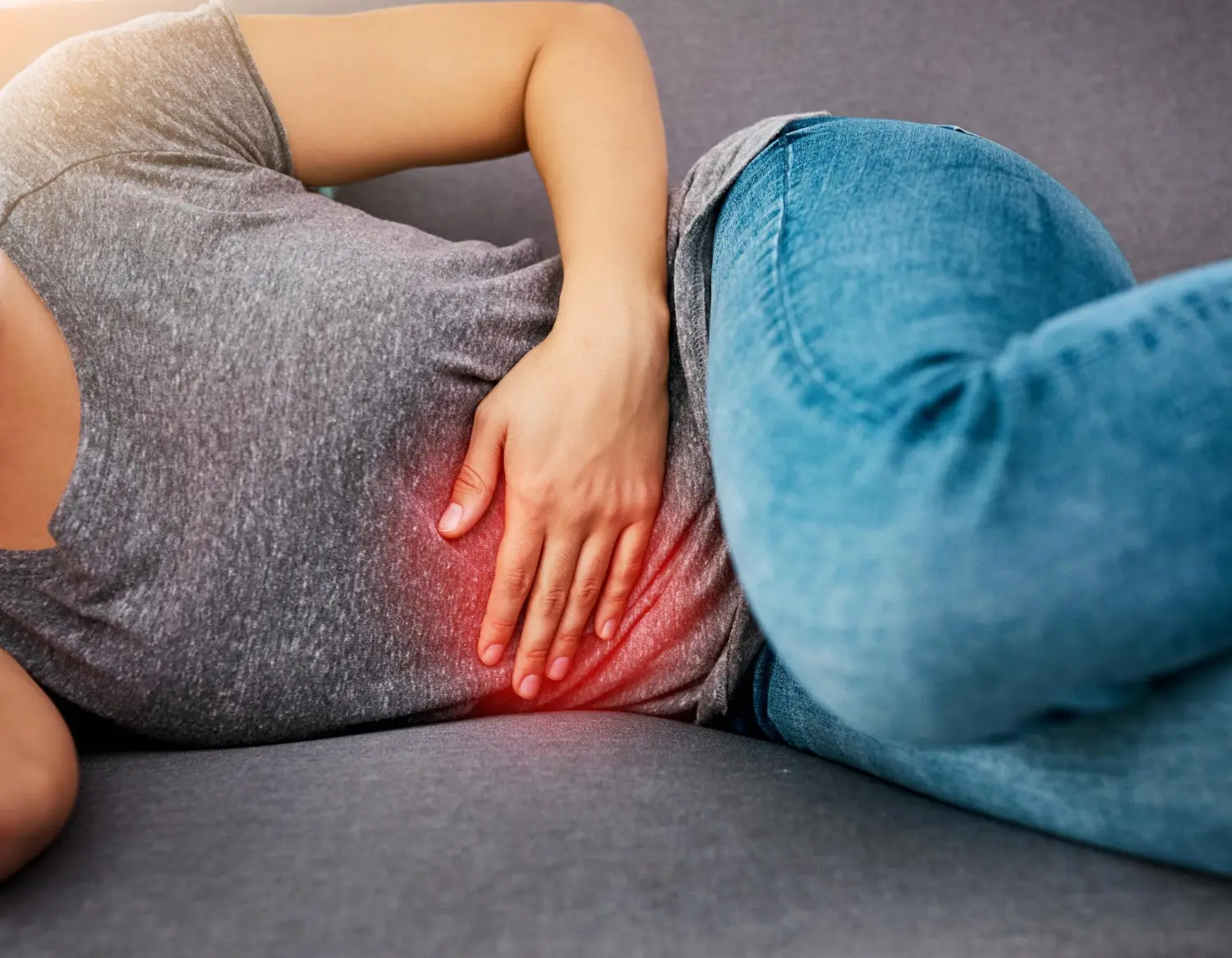
Lower left abdominal pain is a frequent complaint that ranges from a minor, passing annoyance to a sign of a condition requiring immediate medical intervention. Because this region of your body houses vital parts of your digestive, urinary, and reproductive systems, understanding the “why” behind the ache is the first step toward finding relief.
In this guide, we will explore the common triggers for lower left abdominal pain, how you can manage mild symptoms at home, and when it is time to seek professional medical advice.
Contents
Lower Left Abdominal Pain: Top 9 Causes
The lower left quadrant of your abdomen is home to the end of your colon, the left kidney, and, in females, the left ovary and fallopian tube. When pain strikes here, it is often related to one of the following nine conditions:
1. Diverticulitis
Diverticulitis is perhaps the most common “clinical” cause of sharp lower left abdominal pain. It occurs when small, bulging pouches (diverticula) that develop in the lining of your colon become inflamed or infected. While the pouches themselves are often harmless, the infection can cause severe, sudden pain, often accompanied by fever, nausea, and a noticeable change in bowel habits.
2. Gas and Indigestion
Often the most benign but surprisingly painful cause, trapped gas can create a stabbing or twisting sensation in the lower left abdominal area. This happens when air is swallowed or when bacteria in your gut break down certain foods. Indigestion, or dyspepsia, can also radiate discomfort downward, though it usually starts higher up in the stomach.
3. Constipation
When stool moves too slowly through the digestive tract, it can accumulate in the sigmoid colon (located on the lower left), causing a heavy, dull ache and significant bloating. Constipation is often the result of a low-fiber diet, dehydration, or a sedentary lifestyle.
4. Kidney Stones
While we often think of kidney pain as being in the back, a stone traveling from the left kidney through the ureter can cause excruciating lower left abdominal pain. This pain often comes in waves and may be paired with blood in the urine or a persistent urge to go.
5. Irritable Bowel Syndrome (IBS)
IBS is a chronic functional disorder that affects the large intestine. It frequently causes cramping and lower left abdominal pain that may be relieved or worsened by a bowel movement. Because IBS is often triggered by stress or specific foods, the pain can be recurring and frustrating to manage.
6. Inflammatory Bowel Disease (IBD)
Unlike IBS, which doesn’t damage the tissue, IBD (including Crohn’s disease and ulcerative colitis) causes actual inflammation and sores in the digestive tract. This can lead to persistent lower left abdominal pain, bloody stools, and unintended weight loss.
7. Hernias
An inguinal hernia occurs when a small portion of the intestine pushes through a weak spot in the abdominal muscles. You might notice a small bulge in the groin or lower abdomen that hurts more when you cough, lift heavy objects, or strain.
8. Lactose Intolerance and Celiac Disease
Food intolerances are major players in abdominal discomfort. If your body cannot process lactose (milk sugar) or gluten (a protein in wheat), the resulting inflammation and gas production can lead to significant lower left abdominal pain shortly after eating.
9. Female Reproductive Issues
For those assigned female at birth, the lower left quadrant contains the left ovary. Pain here could be tied to menstrual cramps, endometriosis (where uterine-like tissue grows elsewhere), or ovarian cysts. More critically, a sharp, severe pain could indicate an ectopic pregnancy, which is a life-threatening emergency.
Lower Left Abdominal Pain: Home Remedies
If your discomfort is mild and you aren’t experiencing “red flag” symptoms like fever or bleeding, you may find relief using these conservative approaches:
Digestive Rest and Hydration
- Bowel Rest: If the pain is due to indigestion or a mild stomach bug, try sticking to clear liquids or the BRAT diet (Bananas, Rice, Applesauce, Toast) for 24 hours to give your system a break.
- Water Intake: Dehydration can worsen both constipation and kidney stones. Ensure you are drinking enough water throughout the day to keep things moving.
Heat and Relaxation
- Warm Soaks: A warm bath or a heating pad placed on the lower left abdomen can help relax cramped muscles and soothe the intestines.
- Movement: If the pain is caused by trapped gas, light walking or gentle stretching can help the air move through your system more quickly.
Natural Soothers
- Ginger and Peppermint: Ginger is well-known for reducing nausea and indigestion, while peppermint oil (often in enteric-coated capsules) may help relax the muscles of the colon in those with IBS.
- Fiber Adjustments: If constipation is the culprit, slowly increasing your fiber intake through fruits and vegetables can help—but don’t do it too fast, or you might increase gas.
Over-the-Counter Options
- Anti-gas Medications: Products containing simethicone can help break up gas bubbles.
- Antacids: If the pain feels like a burning sensation radiating from the upper abdomen, an antacid or H2 blocker may provide relief.
When to See a Doctor for Lower Left Abdominal Pain
While many cases of lower left abdominal pain resolve on their own, some require a professional diagnosis to prevent complications.
Schedule an Appointment If:
- The pain is persistent, keeps coming back, or is gradually getting worse.
- You have experienced unexplained weight loss.
- Your bowel habits have changed significantly for more than a few weeks.
Seek Emergency Care Immediately If:
- The pain is sudden, intense, and unbearable.
- You have a high fever or chills.
- You are vomiting blood or have bloody or black, tarry stools.
- Your abdomen is rigid or extremely tender to the touch.
- You have signs of a heart attack (chest pain spreading to the stomach, shortness of breath, or sweating).
- You suspect an ectopic pregnancy (severe pelvic pain accompanied by dizziness or spotting).
Frequently Asked Questions
What organ is located in the lower left abdomen?
The lower left quadrant primarily contains the descending colon, the sigmoid colon, the left ureter, and the left kidney. In females, it also houses the left ovary and fallopian tube.
Where is your exact pain point? (Pain Analyzer App)
Tap or click on the area that is causing you pain, answer a few pain-related questions, and get your personalized pain analysis (Always do your own research for accurate results).
We are proud to have helped 43,585+ patients, with 45,644+ pain analyses completed and 47,803+ unique pain points uncovered, including users from MIT, New York University, Illinois University, and more, and still counting.
Can gas cause sharp pain on the left side?
Yes. Trapped gas can cause surprisingly sharp, stabbing sensations that can even be mistaken for more serious conditions like appendicitis (though that is usually on the right) or diverticulitis.
Why does my lower left abdomen hurt after I eat?
Pain following a meal is often linked to indigestion, gas, or food intolerances like lactose intolerance. It can also be a sign of diverticulitis, as the movement of food through the colon can irritate inflamed areas.
Is lower left abdominal pain a sign of a heart attack?
In rare cases, yes. While heart attack pain usually centers in the chest, it can “refer” to the upper or lower abdomen, especially if accompanied by nausea, arm tingling, or shortness of breath.
Conclusion
Lower left abdominal pain is a complex symptom because it can originate from so many different sources—ranging from the air you swallow to the health of your kidneys or reproductive organs. While the most common culprits like gas and constipation are easily managed with lifestyle changes and home remedies, you should never ignore pain that is severe, persistent, or accompanied by systemic symptoms like fever.
By paying attention to the specific “flavor” of your pain—whether it is a dull ache, a sharp stab, or a cramp—you can better communicate with your healthcare provider to find a lasting solution.
Resources & References
- Cleveland Clinic: Left Side Abdominal Pain
- Manhattan Gastroenterology: Lower Left Abdominal Pain
- Medical News Today: What causes pain in the lower left abdomen?
Was this article helpful?
Where is your exact pain point? (Pain Analyzer App)
Tap or click on the area that is causing you pain, answer a few pain-related questions, and get your personalized pain analysis (Always do your own research for accurate results).
We are proud to have helped 43,585+ patients, with 45,644+ pain analyses completed and 47,803+ unique pain points uncovered, including users from MIT, New York University, Illinois University, and more, and still counting.