
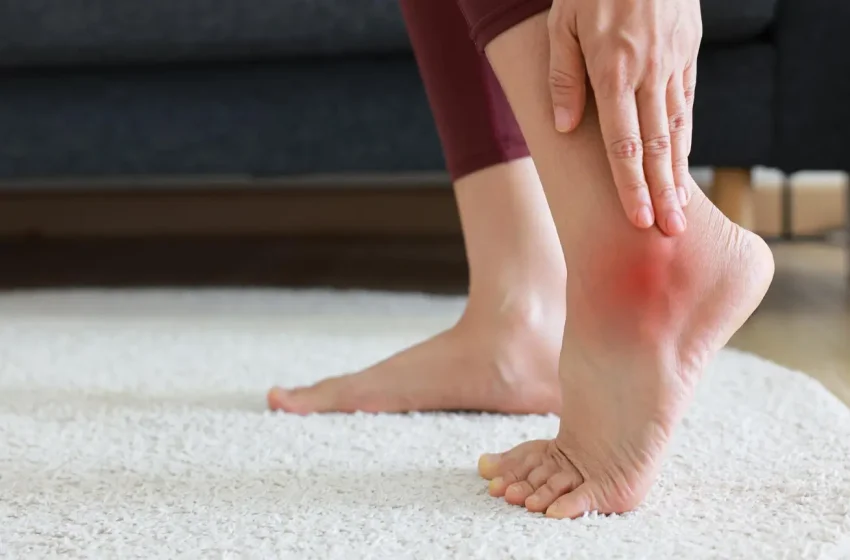
Pain in Heel of Foot: 5 Major Causes & Remedies
Experiencing pain in heel of foot can range from a minor morning annoyance to a debilitating condition that stops you from working or exercising. Because the heel bone (calcaneus) is the largest in your foot and must absorb the impact of every step you take, even small amounts of inflammation can lead to significant discomfort.
Understanding why your foot hurts is the first step toward recovery. This guide explores the most frequent culprits and how you can manage the symptoms effectively.
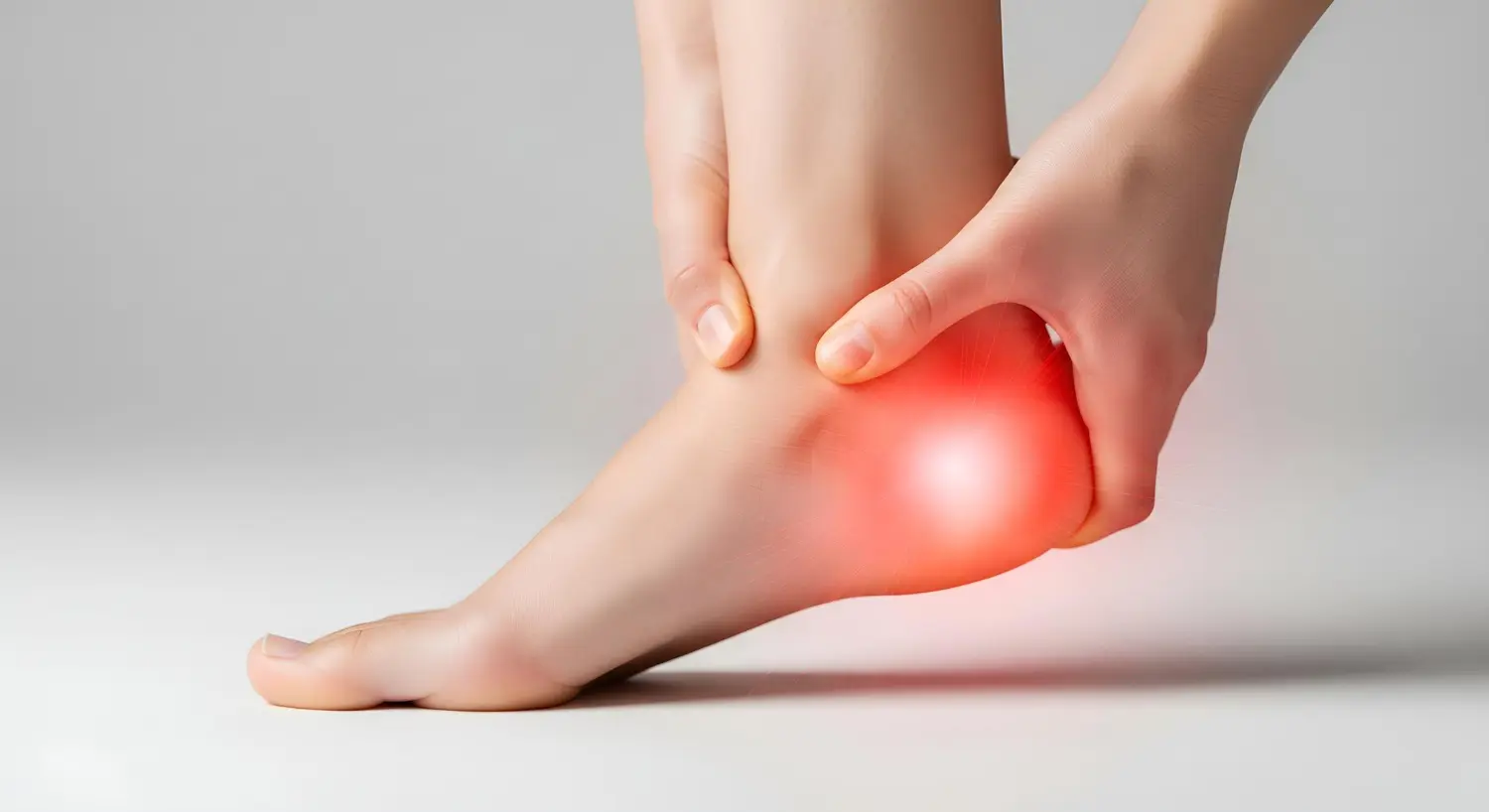
Contents
Pain in Heel of Foot: Top 5 Causes
Identifying the source of pain in heel of foot is essential because treatments vary significantly depending on the underlying issue. While many conditions feel similar, their triggers and long-term management differ.
1. Plantar Fasciitis
This is the single most common reason people experience pain in heel of foot. It occurs when the thick band of tissue (the fascia) that connects your heel to your toes becomes inflamed or develops micro-tears.
- Key Symptom: You will likely feel a stabbing sensation during your very first steps after waking up.
- Risk Factors: It is frequently seen in runners, people aged 40 to 60, and those who spend long hours standing on hard surfaces.
2. Achilles Tendonitis
The Achilles tendon is the strongest in the body, connecting your calf muscle to your heel bone. When this tendon is overused—common in athletes who jump or run frequently—it becomes inflamed.
- Key Symptom: Unlike plantar fasciitis, which hurts the bottom of the foot, Achilles tendonitis causes pain in heel of foot specifically at the back of the heel and into the lower calf.
- Complications: If ignored, the tendon can weaken or even rupture, which may require surgical intervention.
3. Tarsal Tunnel Syndrome
Think of this as the “carpal tunnel” of the foot. It occurs when the posterior tibial nerve becomes compressed as it passes through a narrow passage in the ankle called the tarsal tunnel.
- Key Symptom: This often presents as a burning, tingling, or “shooting” sensation rather than a dull ache.
- Triggers: The compression can be caused by flat feet, swelling from an injury, or systemic conditions like diabetes.
4. Heel Bursitis
Bursae are small, fluid-filled sacs that act as cushions between your bones and soft tissues. When these sacs become inflamed, usually due to repetitive pressure or ill-fitting shoes, you develop bursitis.
- Key Symptom: You may notice visible redness and swelling at the back of the heel.
- Sensation: The pain is typically described as a dull, throbbing ache that feels like a deep bruise.
5. Stress Fractures or Bone Bruises
Sudden, acute pain in heel of foot can sometimes be structural. A bone bruise (contusion) can happen from stepping hard on a sharp object, while a stress fracture is a tiny crack in the bone caused by repetitive stress.
- Key Symptom: If the pain is constant and does not improve with rest, or if you cannot put any weight on the foot at all, a fracture is a high possibility.
Pain in Heel of Foot: Home Remedies
Most cases of pain in heel of foot improve with conservative care at home, provided you are consistent with the regimen.
Immediate Relief: The RICE Method and Medication
- Rest: Avoid activities that worsen the pain, such as running or standing for long periods.
- Ice: Apply a cloth-covered ice pack to the area for about 20 minutes every few hours to reduce inflammation.
- Compression: Using medical tape or a bandage can help support the arch and reduce swelling.
- Elevation: Keep your foot raised whenever possible.
- Painkillers: Over-the-counter NSAIDs like ibuprofen (tablets or gel) can manage both the pain and the underlying inflammation.
Footwear and Support
- Cushioned Shoes: Avoid walking barefoot on hard floors. Instead, wear wide, comfortable shoes with good arch support and a slightly raised, soft heel.
- Orthotics: Using off-the-shelf insoles or heel pads can redistribute pressure and take the strain off the plantar fascia.
- Night Splints: If you suffer from intense morning pain, a splint worn while sleeping can keep the foot stretched, preventing the fascia and Achilles tendon from tightening up overnight.
Therapeutic Exercises
Gentle stretching is one of the most effective ways to treat pain in heel of foot.
- Calf Stretches: Lean against a wall and stretch your calf muscles to reduce the pull on your heel bone.
- Fascia Stretches: While sitting, pull your toes back toward your shin to stretch the bottom of your foot.
- Low-Impact Activity: Switch from running to swimming or cycling to maintain fitness without pounding your heels on the pavement.
When to See a Doctor for Pain in Heel of Foot
While home care is effective for many, some situations require professional intervention to prevent permanent damage.
Non-Urgent Appointments
You should schedule a visit with a GP or podiatrist if:
- The pain in heel of foot has not improved after two weeks of home treatment.
- The pain is severe enough to prevent you from performing daily tasks.
- You have diabetes, as foot issues can escalate quickly into serious infections.
- You experience numbness or a “pins and needles” sensation in your foot.
Urgent Warning Signs
Seek immediate medical attention (or contact emergency services like NHS 111) if:
- The pain followed a severe injury or a fall.
- You heard a “popping” or “snapping” sound at the time of injury.
- Your foot or ankle appears deformed or is at an odd angle.
- You are completely unable to walk or stand on your tiptoes.
- The area is hot to the touch and accompanied by a fever.
Frequently Asked Questions
Why is my heel pain worse in the morning?
This is a classic sign of plantar fasciitis. While you sleep, your foot relaxes and the fascia shortens. When you take your first step in the morning, the tissue is suddenly stretched, causing sharp, stabbing pain in heel of foot.
Do heel spurs cause the pain?
Contrary to popular belief, the bony growth known as a heel spur is often not the cause of the pain itself. Many people have spurs but no pain. The discomfort usually comes from the inflamed tissue (plantar fasciitis) surrounding the spur.
Where is your exact pain point? (Pain Analyzer App)
Tap or click on the area that is causing you pain, answer a few pain-related questions, and get your personalized pain analysis (Always do your own research for accurate results).
We are proud to have helped 43,585+ patients, with 45,644+ pain analyses completed and 47,803+ unique pain points uncovered, including users from MIT, New York University, Illinois University, and more, and still counting.
Is walking barefoot good for heel pain?
Generally, no. Walking barefoot, especially on hard surfaces like tile or wood, increases the impact on your heel and provides zero arch support. If you have pain in heel of foot, it is better to wear supportive slippers or indoor shoes.
Can being overweight cause my heels to hurt?
Yes. Excess body weight increases the daily stress and “load” placed on the plantar fascia and the heel’s fat pad, making inflammation much more likely.
Conclusion
Pain in heel of foot is a common but manageable condition. Whether it stems from the repetitive strain of plantar fasciitis, the stiffness of Achilles tendonitis, or the nerve compression of Tarsal Tunnel Syndrome, the road to recovery usually begins with rest, proper footwear, and stretching.
Ignoring the symptoms can lead to chronic issues, such as a change in your gait that eventually affects your knees, hips, and back. By taking early action—such as using orthotics and performing gentle stretches—most people can return to their normal activities without the need for surgery.
Resources & References
- NHS: Heel Pain Overview – https://www.nhs.uk/symptoms/foot-pain/heel-pain/
- Mayo Clinic: Plantar Fasciitis Symptoms & Causes – https://www.mayoclinic.org/diseases-conditions/plantar-fasciitis/symptoms-causes/syc-20354846
- Cleveland Clinic: Understanding Heel Pain – https://my.clevelandclinic.org/health/symptoms/heel-pain
- NHS: Managing Plantar Fasciitis – https://www.nhs.uk/conditions/plantar-fasciitis/
- British Orthopaedic Foot & Ankle Society: A Guide to Heel Pain – https://www.bofas.org.uk/Portals/0/Patient%20Information/Guide%20To%20Heel%20Pain.pdf
Was this article helpful?
Where is your exact pain point? (Pain Analyzer App)
Tap or click on the area that is causing you pain, answer a few pain-related questions, and get your personalized pain analysis (Always do your own research for accurate results).
We are proud to have helped 43,585+ patients, with 45,644+ pain analyses completed and 47,803+ unique pain points uncovered, including users from MIT, New York University, Illinois University, and more, and still counting.