

Pain Under Right Breast: 9 Main Causes & Remedies
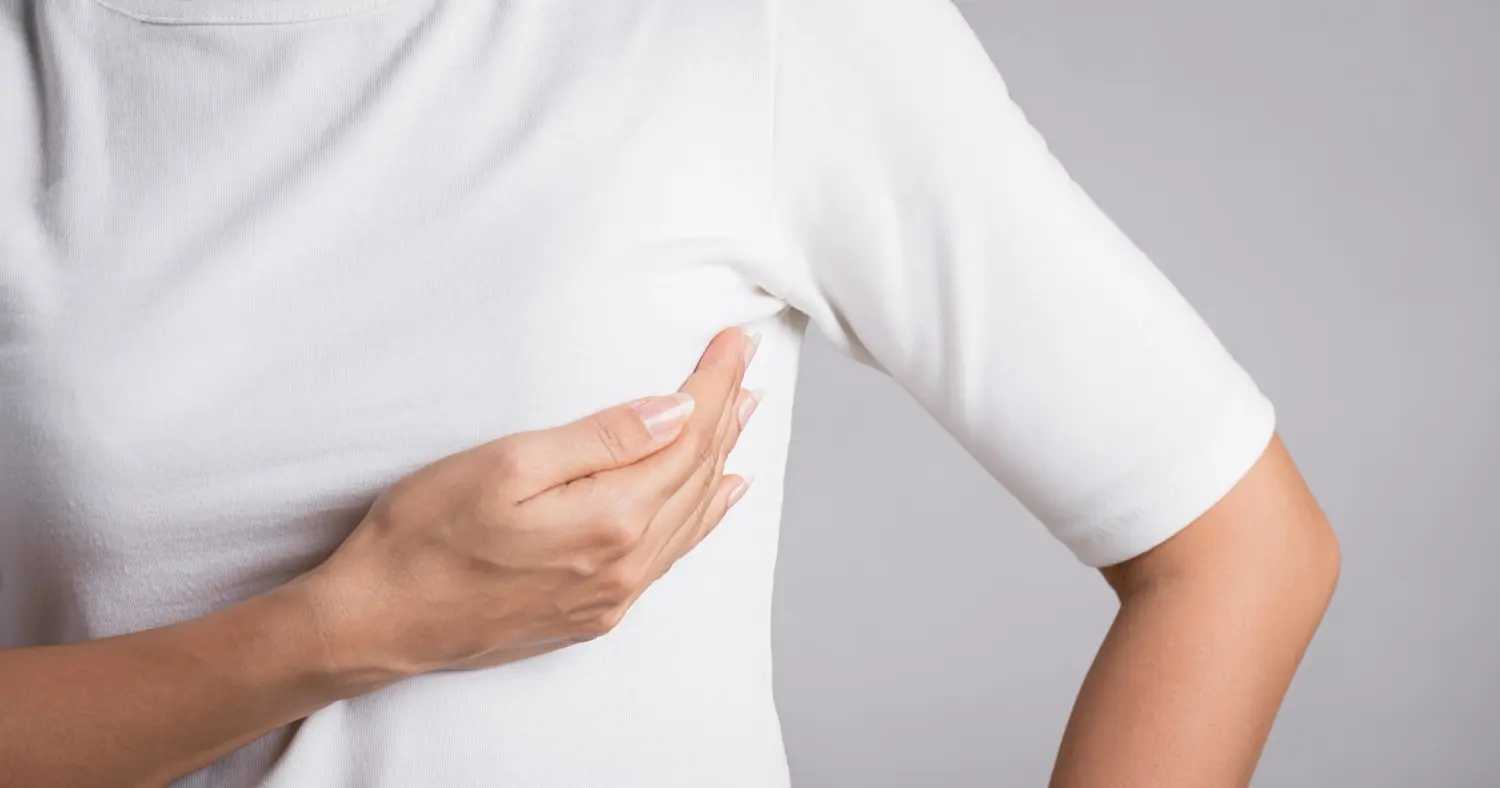
Pain under right breast can be a confusing and unsettling sensation. Because the chest and upper abdominal cavity house several vital organs, muscles, and skeletal structures, the source of the discomfort isn’t always immediately obvious. While many people instinctively worry about heart-related issues, the right side of the chest is anatomically distinct, and the causes for pain there often range from simple muscle strains to digestive or respiratory conditions.
Understanding the specific nature of your symptoms—whether the pain is sharp, dull, cyclic, or triggered by movement—is the first step in identifying the underlying cause and finding the right path to relief.
Contents
Pain Under Right Breast: 9 Main Causes
When diagnosing pain under right breast, medical professionals look at the systems located in that quadrant of the body, including the ribs, the lining of the lungs, and the upper digestive tract.
1. Costochondritis
One of the most frequent culprits for localized chest wall pain is costochondritis. This condition involves the inflammation of the cartilage that connects your ribs to your breastbone (sternum).
- Symptoms: It typically manifests as a sharp or aching sensation that feels like it is coming directly from the rib cage.
- Triggers: The pain often intensifies when you take a deep breath, cough, or apply physical pressure to the area where the rib meets the sternum.
- Location: While it often occurs in the mid-chest, it can easily be felt as pain under right breast or left breast depending on which side of the rib cage is inflamed.
2. Muscle Strain or Injury
The chest wall is layered with muscles, including the intercostals between the ribs and the pectorals.
- Causes: Straining these muscles through heavy lifting, hard exercise, or even a period of intense coughing can lead to significant discomfort.
- Impact: A pulled muscle in the chest can cause “extramammary” pain—pain that feels like it’s in the breast but actually originates in the chest wall or rib cage.
3. Pleurisy
Pleurisy occurs when the pleura—the thin, large layers of tissue that separate your lungs from your chest wall—become inflamed.
- The Sensation: If the right lung is involved, you will feel a sharp pain under right breast.
- Breathing: This pain is notorious for worsening significantly during inhalation, leading many patients to take shallow breaths to avoid the “stabbing” sensation.
4. Cyclic Breast Pain (Mastalgia)
For many individuals, pain under right breast is tied directly to the menstrual cycle. This is known as cyclic breast pain.
- Characteristics: It is usually described as a dull, heavy, or aching feeling that affects both breasts.
- Timing: It typically intensifies during the two weeks leading up to a period and subsides once the period ends.
5. Rib Injuries
A bruised or fractured rib can cause localized, intense pain under right breast.
- Diagnosis: Rib injuries usually have a specific “tender spot” that is extremely painful to the touch.
- Complications: Like pleurisy, a rib injury makes twisting the body or taking deep breaths very difficult.
6. Hiatal Hernia
A hiatal hernia occurs when the upper part of the stomach pushes through the diaphragm into the chest cavity.
- Digestive Link: This can cause stomach acid to back up, leading to heartburn and chest discomfort.
- Radiation: The resulting pain or pressure can sometimes be felt in the lower chest or under the breast area.
7. Irritable Bowel Syndrome (IBS)
While IBS is primarily a condition of the large intestine, the gas and bloating it causes can radiate pain to various parts of the torso.
- Referred Pain: If gas becomes trapped in certain bends of the colon, it can cause discomfort that radiates upward, potentially being felt as pain under right breast.
8. Medications
Sometimes the cause isn’t a physical injury but a side effect of what you are putting into your body.
- Hormonal: Oral birth control, infertility treatments, and post-menopausal hormone therapies are common triggers for breast tenderness.
- Other: Certain antidepressants (SSRIs), blood pressure medications, and some antibiotics have also been linked to breast-area pain.
9. Gynecomastia (In Men)
In men, pain under right breast is often caused by gynecomastia, which is an enlargement of breast gland tissue due to a hormone imbalance between estrogen and testosterone.
- Sensation: This can cause tenderness or a “lump” feeling under the nipple area on one or both sides.
KEYWORD: Home Remedies
If your pain under right breast is mild and not accompanied by emergency symptoms, several at-home strategies can help manage the discomfort while the body heals.
Temperature Therapy
- Compresses: Applying hot or cold compresses to the affected area can be highly effective for inflammatory conditions like costochondritis or muscle strains.
- Usage: Use a cold pack for 15-20 minutes to reduce swelling, or a heating pad to relax tight muscles.
Activity Modification
- Rest: If the pain is caused by exercise or heavy lifting, the best remedy is to avoid activities that aggravate the area.
- Posture: Maintaining an upright posture and avoiding putting direct pressure on your chest while sleeping can help rib and muscle injuries heal faster.
Over-the-Counter (OTC) Support
- NSAIDs: Medications like ibuprofen (Advil, Motrin) or naproxen (Aleve) can reduce inflammation and ease the sharp pain of costochondritis or pleurisy.
- Pain Relief Gels: For localized breast pain, rubbing a painkilling gel onto the skin can provide targeted relief without the systemic side effects of oral pills.
- Warning: Always consult a provider before starting NSAIDs if you have a history of heart, liver, or kidney disease.
Lifestyle Adjustments
- Supportive Clothing: For those experiencing cyclic breast pain, wearing a properly fitted sports bra—even during sleep—can reduce movement and ease tenderness.
- Dietary Changes: Some people find that reducing caffeine or following a low-fat diet helps decrease the frequency of cyclic breast pain.
When to see a doctor for pain under right breast
While most instances of pain under right breast are benign, you should never ignore persistent or severe discomfort.
Immediate Medical Attention (Call 911)
You should seek emergency care immediately if your chest pain is accompanied by:
Where is your exact pain point? (Pain Analyzer App)
Tap or click on the area that is causing you pain, answer a few pain-related questions, and get your personalized pain analysis (Always do your own research for accurate results).
We are proud to have helped 43,585+ patients, with 45,644+ pain analyses completed and 47,803+ unique pain points uncovered, including users from MIT, New York University, Illinois University, and more, and still counting.
- Similarity to Heart Attack: Even though the heart is on the left, referred pain can be deceptive. Seek help for crushing pressure or pain radiating to the jaw or arm.
- Severe Breathing Issues: Sudden shortness of breath or sharp pain with every single breath.
- Signs of Infection: A very high fever, chills, or redness and swelling in the chest area.
Schedule a GP Appointment
Make a non-urgent appointment if the pain under right breast:
- Persists for more than a few weeks without improvement.
- Is localized to one specific spot or includes a hard, non-moving lump.
- Interferes with your sleep or daily tasks.
- Involves skin changes, such as dimpling (resembling an orange peel) or nipple discharge.
Frequently Asked Questions
Can stress cause pain under the right breast?
Yes. Stress and anxiety can lead to muscle tension in the chest wall. Furthermore, high anxiety levels can lower your pain threshold, making existing discomfort feel more severe.
Is pain under the right breast a sign of cancer?
Breast pain by itself is rarely the primary symptom of breast cancer. Most cancer-related concerns involve a painless lump or skin changes, but any unexplained persistent pain should still be checked by a professional.
How long does costochondritis usually last?
In many cases, it resolves on its own within a few days or weeks. However, for some individuals, it can take several months to fully disappear.
Conclusion
Experiencing pain under right breast can be a jarring experience, but in many cases, it is the body’s way of signaling a temporary issue like muscle strain, hormonal shifts, or minor inflammation. By identifying whether your pain is linked to your movement, your cycle, or your digestion, you can better communicate with your healthcare provider and find a remedy that works. Always prioritize your health by seeking professional advice if the pain is severe, persistent, or accompanied by systemic symptoms like fever or difficulty breathing.
Resources & References
- MedlinePlus: Costochondritis Overview (https://medlineplus.gov/ency/article/000164.htm)
- Mayo Clinic: Breast Pain – Symptoms and Causes (https://www.mayoclinic.org/diseases-conditions/breast-pain/symptoms-causes/syc-20350423)
- NHS: Understanding Breast Pain (https://www.nhs.uk/symptoms/breast-pain/)
- Healthline: Causes of Pain Under the Right Breast (https://www.healthline.com/health/pain-under-right-breast)
Was this article helpful?
Where is your exact pain point? (Pain Analyzer App)
Tap or click on the area that is causing you pain, answer a few pain-related questions, and get your personalized pain analysis (Always do your own research for accurate results).
We are proud to have helped 43,585+ patients, with 45,644+ pain analyses completed and 47,803+ unique pain points uncovered, including users from MIT, New York University, Illinois University, and more, and still counting.