
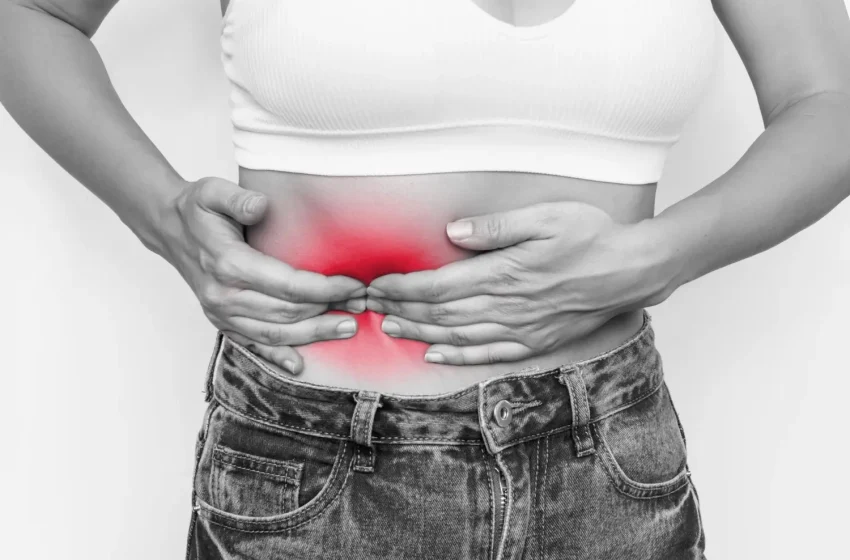
Pain Under Left Rib Cage: 14 Common Causes & Remedies
Pain under left rib cage can be an alarming sensation experience, often leading people to fear the worst, such as a heart attack. While the heart is indeed located in this vicinity, this area of the body is a complex intersection of the cardiovascular, respiratory, gastrointestinal, and musculoskeletal systems.
To help you navigate this discomfort, we have compiled a comprehensive guide to the potential causes and management strategies for pain under the left rib cage.

Contents
- 1 Pain Under Left Rib Cage: 14 Common Causes
- 1.1 1. Cardiovascular Issues: Heart Attack
- 1.2 2. Pericarditis
- 1.3 3. Aortic Dissection
- 1.4 4. Pulmonary Embolism
- 1.5 5. Pleurisy
- 1.6 6. Pneumothorax (Collapsed Lung)
- 1.7 7. Costochondritis
- 1.8 8. Rib Injuries: Fractures and Bruises
- 1.9 9. Gastritis and Peptic Ulcers
- 1.10 10. Splenomegaly (Enlarged Spleen)
- 1.11 11. Pancreatitis
- 1.12 12. Kidney Stones and UTIs
- 1.13 13. Gastroesophageal Reflux Disease (GERD)
- 1.14 14. Shingles (Herpes Zoster)
- 2 Pain Under Left Rib Cage: Home Remedies
- 3 When to see a doctor for Pain Under Left Rib Cage
- 4 Frequently Asked Questions
- 5 Conclusion
- 6 Resources & References
Pain Under Left Rib Cage: 14 Common Causes
Understanding the specific nature of your discomfort is the first step toward relief. Doctors typically evaluate pain under the left rib cage by looking at different organ systems in order of priority, starting with the most life-threatening possibilities.
1. Cardiovascular Issues: Heart Attack
A myocardial infarction, or heart attack, is the most critical cause to rule out. It occurs when blood flow to the heart is blocked. In men, this often feels like a heavy weight or intense pressure on the chest. However, women, older adults, and those with diabetes may experience more subtle signs, such as extreme fatigue, lightheadedness, or nausea. The discomfort can also radiate to the jaw, back, or left arm.
2. Pericarditis
This condition involves inflammation of the pericardium, the thin sac surrounding the heart. It often results from viral infections or autoimmune issues. The pain under the left rib cage associated with pericarditis is typically sharp and may worsen when you swallow or lie down. In severe cases, it can lead to cardiac tamponade, where fluid buildup prevents the heart from beating effectively.
3. Aortic Dissection
The aorta is the primary artery carrying blood away from the heart. A tear in its inner layer, known as a dissection, causes a sudden, “tearing” or “ripping” sensation that can move from the chest into the back. This is a life-threatening emergency with a high mortality rate if not treated immediately.
4. Pulmonary Embolism
A blood clot that travels to the lungs is called a pulmonary embolism. If the clot lodges in the left lung, it can cause sharp, stabbing pain under the left rib cage. Other red flags include sudden shortness of breath, coughing up blood, or a history of swelling and pain in the legs (deep vein thrombosis).
5. Pleurisy
Pleurisy occurs when the two layers of tissue that separate your lungs from your chest wall become inflamed. This often happens following a viral infection. Because these layers lose their lubrication, they rub against each other, causing a sharp, knife-like pain specifically when you take a deep breath, cough, or sneeze.
6. Pneumothorax (Collapsed Lung)
A collapsed lung happens when air escapes the lung and becomes trapped in the space between the lung and the chest wall. This can be spontaneous, particularly in tall, thin individuals, or caused by an injury. It results in sudden, sharp chest pain and significant difficulty breathing.
7. Costochondritis
This is a very common cause of musculoskeletal pain under the left rib cage. It is an inflammation of the cartilage that connects your ribs to your breastbone. While the pain can be sharp and mimic a heart attack, it is generally harmless. A key indicator of costochondritis is that the area is tender to the touch—pressing on the joint where the rib meets the sternum will usually reproduce the pain.
8. Rib Injuries: Fractures and Bruises
Direct trauma from a fall or an accident can easily bruise or break the ribs. A fracture causes severe, sharp pain and may even produce a “crunching” sound with movement. Bruised ribs, while not broken, still cause persistent, dull, achy pain that makes deep breathing or twisting the torso very uncomfortable.
9. Gastritis and Peptic Ulcers
Inflammation of the stomach lining (gastritis) or open sores (ulcers) are frequent GI culprits. Because the stomach is situated in the upper left abdomen, these conditions cause burning or gnawing pain under the left rib cage. Ulcer pain is unique because it often fluctuates based on whether the stomach is full or empty.
10. Splenomegaly (Enlarged Spleen)
The spleen is located just below the left rib cage and helps filter your blood. If it becomes enlarged—often due to infections like mononucleosis or blood diseases like leukemia—it can cause a dull ache or pressure in the left side. You might also feel full very quickly after eating because the enlarged spleen is pressing against your stomach.
11. Pancreatitis
The pancreas sits behind the stomach. Inflammation of this organ usually causes pain in the center of the upper abdomen, but it can certainly radiate to the left side. Pancreatitis pain is often described as a constant, boring ache that travels through to the back and gets worse after eating a heavy meal.
12. Kidney Stones and UTIs
While kidneys are mostly in the back, inflammation in the left kidney or a stone passing through the left ureter can cause pain under the left rib cage. Kidney stone pain is notoriously severe and “colicky,” meaning it comes in intense waves. It often starts in the flank and moves toward the groin.
Where is your exact pain point? (Pain Analyzer App)
Tap or click on the area that is causing you pain, answer a few pain-related questions, and get your personalized pain analysis (Always do your own research for accurate results).
We are proud to have helped 43,585+ patients, with 45,644+ pain analyses completed and 47,803+ unique pain points uncovered, including users from MIT, New York University, Illinois University, and more, and still counting.
13. Gastroesophageal Reflux Disease (GERD)
GERD occurs when stomach acid frequently flows back into the esophagus. This causes a burning sensation (heartburn) that can radiate up under the left ribs. It is often triggered by eating too quickly, consuming spicy foods, or lying down immediately after a meal.
14. Shingles (Herpes Zoster)
Shingles is a reactivation of the chickenpox virus. It causes a painful, blistering rash that typically follows a specific nerve path on one side of the body. Interestingly, the “nerve pain”—which can be burning or stabbing—often starts several days before the rash actually appears, making it a tricky cause of early pain under the left rib cage.
Pain Under Left Rib Cage: Home Remedies
If you have ruled out an emergency and your pain is mild or clearly linked to a minor injury or diet, these home care strategies can help manage the discomfort.
For Musculoskeletal Pain (Strains, Rib Bruises, Costochondritis)
- Rest and Immobilization: Avoid activities that involve heavy lifting or twisting of the torso, as these can exacerbate muscle tears or cartilage inflammation.
- Cold and Heat Therapy: Use ice packs for the first 48 hours to reduce acute swelling. Afterward, switching to a heating pad can help relax stiff muscles and increase blood flow to the area for healing.
- Over-the-Counter Medication: NSAIDs like ibuprofen or naproxen are particularly effective for reducing the inflammation associated with costochondritis or strained intercostal muscles.
For Gastrointestinal Pain (GERD, Gastritis, Gas)
- Antacids: For immediate relief of acid-related pain under the left rib cage, over-the-counter liquids or tablets like Tums or Maalox can neutralize stomach acid.
- Dietary Modifications: Eat smaller, more frequent meals to avoid overfilling the stomach. Identify and eliminate “trigger” foods, which commonly include caffeine, chocolate, spicy spices, and acidic citrus fruits.
- Posture: Avoid lying flat for at least two to three hours after eating to prevent acid from splashing back into the esophagus.
For Respiratory and Systemic Comfort
- Hydration: For viral pleurisy or pneumonia, staying hydrated helps thin mucus and soothe the respiratory tract.
- Controlled Breathing: If you have rib pain, taking shallow breaths to avoid pain can actually increase your risk of pneumonia. Try to perform gentle, deep-breathing exercises as tolerated.
When to see a doctor for Pain Under Left Rib Cage
It is essential to self-triage by assessing the quality and severity of your symptoms.
Call 911 or visit the Emergency Department immediately if you experience:
- Crushing chest pain, pressure, or a “tearing” sensation.
- Sudden, severe shortness of breath or blue-tinted lips.
- High fever accompanied by a productive cough or sharp chest pain.
- Dizziness, fainting, or signs of shock.
- Vomiting blood or passing black, tarry stools.
Schedule a visit with your primary doctor or urgent care if:
- The pain under the left rib cage is persistent and does not improve with rest or OTC meds.
- The pain is associated with unexplained weight loss or a loss of appetite.
- You have a history of heart or lung disease and notice a new pattern of discomfort.
Frequently Asked Questions
Can gas cause pain under the left rib cage?
Yes, this is often called “splenic flexure syndrome.” Gas can become trapped in the bend of the colon located near the spleen, causing significant pressure and sharp pain under the left rib cage.
How can I tell if rib pain is a heart attack?
Heart attack pain is usually a “heaviness” or “pressure” rather than a sharp poke. If the pain gets worse with physical exertion and is accompanied by sweating or nausea, treat it as a cardiac emergency.
Is it normal for my ribs to hurt when I cough?
It is common if you have a condition like pleurisy or costochondritis, or if you have strained the muscles between your ribs from repetitive coughing.
Conclusion
Given the vital organs located in the upper left quadrant, pain under the left rib cage should never be entirely ignored. While many causes are benign—such as a simple muscle strain or a bout of indigestion—the proximity to the heart and lungs means that severe or worsening symptoms require professional evaluation. By understanding the possible triggers, you can take the appropriate steps toward recovery and peace of mind.
Resources & References
- Northwell Health: Pain under the left rib cage: 21 causes
- Healthline: What’s Causing Pain Under My Left Ribs?
Was this article helpful?
Where is your exact pain point? (Pain Analyzer App)
Tap or click on the area that is causing you pain, answer a few pain-related questions, and get your personalized pain analysis (Always do your own research for accurate results).
We are proud to have helped 43,585+ patients, with 45,644+ pain analyses completed and 47,803+ unique pain points uncovered, including users from MIT, New York University, Illinois University, and more, and still counting.