
Lower Left Back Pain: Top 7 Causes & Remedies
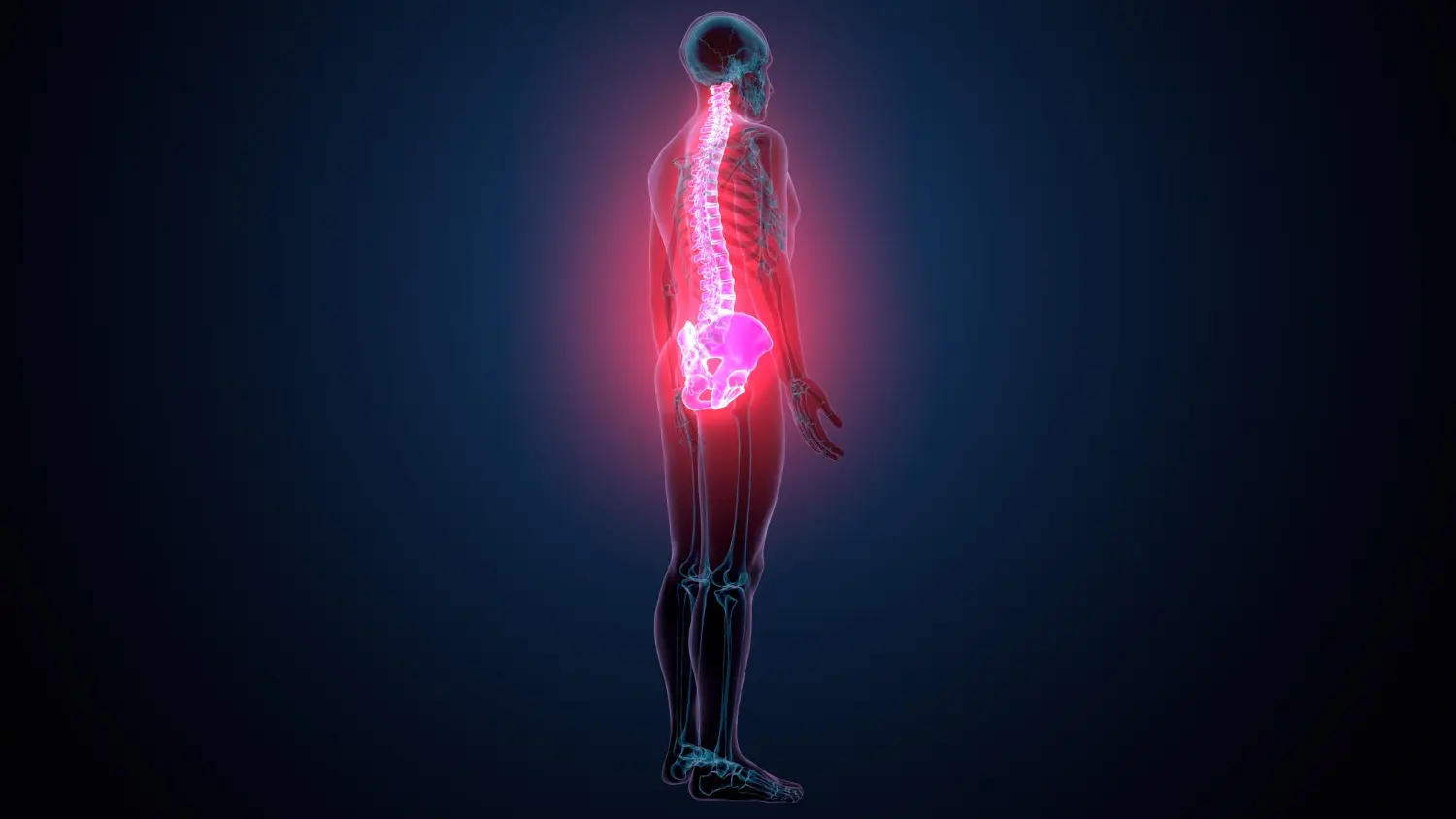
Lower left back pain is an incredibly common ailment that affects nearly everyone at some point in their lives. Because the lower back supports the majority of your body weight and facilitates almost every movement you make, it is highly susceptible to strain and injury. This discomfort, often referred to as left flank pain, is specifically located in the area above the hip or buttocks and to the left of the spine.
While most cases are related to simple muscle issues, lower left back pain can also be a “referred” sensation, meaning the pain actually originates from an internal organ or a compressed nerve rather than the back itself. Understanding the specific nature of your symptoms—whether it is a sharp, shooting sensation or a dull, internal ache—is the first step toward finding relief.
Contents
Top 7 Causes of Lower Left Back Pain
The origin of lower left back pain can be categorized into musculoskeletal injuries, spinal conditions, or internal organ issues. Here are the seven most frequent culprits:
1. Muscle and Soft Tissue Injury
The most frequent cause of lower left back pain is a muscle strain or ligament sprain. This typically happens when muscle fibers are overstretched or torn due to sudden movements, heavy lifting, or even a fall.
- Symptoms: You may feel stiffness, muscle spasms, and a limited range of motion.
- Triggers: Interestingly, this type of pain often feels worse after periods of inactivity, such as getting out of bed in the morning, but may improve slightly once you start moving.
2. Slipped or Herniated Disks
Between each bone in your spine are small, rubbery disks that act as shock absorbers. A “slipped” disk occurs when the soft inner material of the disk leaks out through a tear in the tougher outer shell.
- Impact: If the leaking material presses on a nerve on the left side, it causes sharp, localized lower left back pain.
- Sciatica: This condition often leads to sciatica, a burning or electric-shock sensation that radiates from the back, through the buttock, and down the left leg.
3. Kidney Stones or Infection
Because your kidneys are tucked against the muscles of your middle-to-lower back, renal issues often manifest as back pain.
- Kidney Stones: These are hard mineral deposits that cause excruciating, sharp pain as they move through the urinary tract.
- Infections: An infection usually results in a deep, dull ache on the left side, often accompanied by fever, nausea, and changes in urination (such as cloudy or foul-smelling urine).
4. Lumbar Arthritis
Arthritis isn’t just for hands and knees; it frequently affects the spine’s facet joints. This involves the gradual wearing down of the protective cartilage between vertebrae. While the damage might be widespread, you may feel lower left back pain more intensely if you are subconsciously overcompensating for a hip injury or if the inflammation is concentrated on that side.
5. Poor Posture and Lifestyle Factors
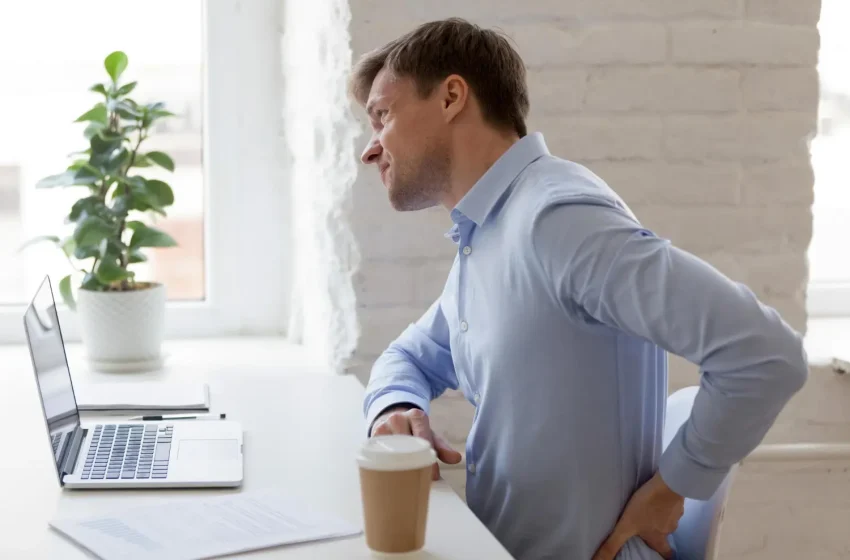
Modern lifestyle habits are major contributors to lower left back pain. Sitting in an awkward position for extended hours or hunching over a desk creates uneven pressure on the spinal Column. Over time, this causes certain muscles to weaken while others become chronically tight, leading to persistent one-sided discomfort.
6. Reproductive Health Conditions (Endometriosis & Pregnancy)
In females, lower left back pain is frequently linked to the reproductive system.
- Endometriosis: This condition occurs when uterine-like tissue grows outside the uterus. When this tissue attaches to pelvic structures or nerves, it can cause severe, sporadic pain in the lower back.
- Pregnancy: Hormonal shifts that loosen ligaments, combined with a shifting center of gravity and weight gain, commonly result in lower left back pain or sciatica.
7. Pancreatitis or Digestive Issues
Internal inflammation can “radiate” to the back.
- Pancreatitis: Inflammation of the pancreas usually starts as upper abdominal pain but often moves straight through to the back.
- Ulcerative Colitis: This inflammatory bowel disease can occasionally cause referred lower left back pain, typically paired with abdominal cramping and fatigue.
Home Remedies for Lower Left Back Pain
If your lower left back pain is not accompanied by “red flag” symptoms, it can often be managed effectively at home. The goal is to reduce inflammation and encourage tissue repair.
Controlled Movement and Activity
While your first instinct might be to stay in bed, prolonged bed rest can actually delay recovery.
- Stay Active: Try to continue with light daily activities.
- Low-Impact Exercise: Activities like walking, swimming, or gentle yoga can prevent the muscles from seizing up and help maintain flexibility.
- Core Strengthening: Once the initial pain subsides, building core strength is the best way to prevent future episodes of lower left back pain.
Temperature Therapy
Both ice and heat play specific roles in recovery:
- Ice Packs: Apply ice (wrapped in a cloth) for the first 48 hours to reduce acute inflammation and numb sharp pain.
- Heat Therapy: After the initial swelling goes down, use a heating pad or hot water bottle to relax stiff muscles and improve blood flow to the injured area.
Over-the-Counter Support
- Medications: Non-steroidal anti-inflammatory drugs (NSAIDs) like ibuprofen are generally more effective for back pain than paracetamol alone because they target the underlying inflammation.
- Ergonomics: Ensure you are sleeping on a firm, supportive mattress. If you work at a desk, use an ergonomic chair that keeps your joints at 90-degree angles to minimize lower left back pain.
Alternative Therapies
Many people find significant relief through non-traditional methods:
- Massage and Manual Therapy: A trained therapist can help release muscle tension and improve spinal alignment.
- Acupuncture: This can be an effective way to manage chronic lower left back pain by stimulating the body’s natural pain-relieving mechanisms.
When to See a Doctor for Lower Left Back Pain
While many cases resolve within a few weeks, certain symptoms indicate a more serious underlying condition that requires professional diagnosis.
Where is your exact pain point? (Pain Analyzer App)
Tap or click on the area that is causing you pain, answer a few pain-related questions, and get your personalized pain analysis (Always do your own research for accurate results).
We are proud to have helped 43,585+ patients, with 45,644+ pain analyses completed and 47,803+ unique pain points uncovered, including users from MIT, New York University, Illinois University, and more, and still counting.
Non-Urgent Medical Consultation
You should schedule an appointment with a GP if:
- The pain does not improve after 2 weeks of home care.
- The pain is severe enough to prevent you from performing daily tasks.
- You notice unexplained weight loss or a visible lump/swelling in the back.
Urgent and Emergency Warning Signs
Seek immediate medical attention (Call 999 or go to A&E) if your lower left back pain is accompanied by:
- Loss of Bowel or Bladder Control: This can indicate Cauda Equina Syndrome, a medical emergency.
- Numbness in the “Saddle” Area: Tingling or loss of feeling around the genitals or buttocks.
- Leg Weakness: Difficulty moving your legs or a feeling of heaviness.
- High Fever and Chills: This may suggest a severe kidney or spinal infection.
Frequently Asked Questions
Why does my lower left back pain feel worse in the morning?
This is usually due to “inflammatory stasis.” When you are still for long periods (like sleeping), inflammatory fluids can pool in the injured tissues, causing stiffness. Additionally, a mattress that is too soft may not provide enough support, straining the muscles overnight.
Can constipation cause lower left back pain?
Yes. The colon is located in the lower abdominal and pelvic area. Significant bloating or stool impaction can put pressure on the nerves and muscles of the lower back, leading to one-sided discomfort.
Is walking good for lower left back pain?
In most cases, yes. Walking is a low-impact way to keep the spine mobile and increase blood flow to the back muscles. However, if walking causes a sharp, shooting pain down your leg (sciatica), you should consult a professional to ensure you don’t have a severely herniated disk.
How do I know if the pain is my kidney or my back?
Kidney pain is typically felt higher up and deeper in the body, often just under the ribcage. It is usually a constant, throbbing ache that doesn’t change when you move. Muscular lower left back pain, by contrast, often changes in intensity when you twist, stretch, or lift something.
Conclusion
Lower left back pain is a multifaceted condition that can range from a minor nuisance to a debilitating hurdle. Most often, it is a sign that your body needs rest, better posture, or a bit of gentle stretching. By identifying the likely cause—whether it’s a simple muscle strain or a more complex issue like a slipped disk—you can take the right steps toward recovery.
Remember, while home remedies are effective for many, you should never ignore persistent pain or “red flag” symptoms. When in doubt, seeking a professional diagnosis is the fastest route to getting back to your normal, pain-free life.
Resources & References
- NHS – Back Pain Overview: Comprehensive guide on symptoms and when to seek urgent help. https://www.nhs.uk/conditions/back-pain/
- Medical News Today – Lower Left Back Pain: Deep dive into organ-related causes and musculoskeletal injuries. https://www.medicalnewstoday.com/articles/325921
- Verywell Health – Causes and Relief: Detailed breakdown of sciatica, arthritis, and at-home relief strategies. https://www.verywellhealth.com/lower-left-back-pain-8662503
Was this article helpful?
Where is your exact pain point? (Pain Analyzer App)
Tap or click on the area that is causing you pain, answer a few pain-related questions, and get your personalized pain analysis (Always do your own research for accurate results).
We are proud to have helped 43,585+ patients, with 45,644+ pain analyses completed and 47,803+ unique pain points uncovered, including users from MIT, New York University, Illinois University, and more, and still counting.